Wimbledon Village oven cleaning guide for period properties
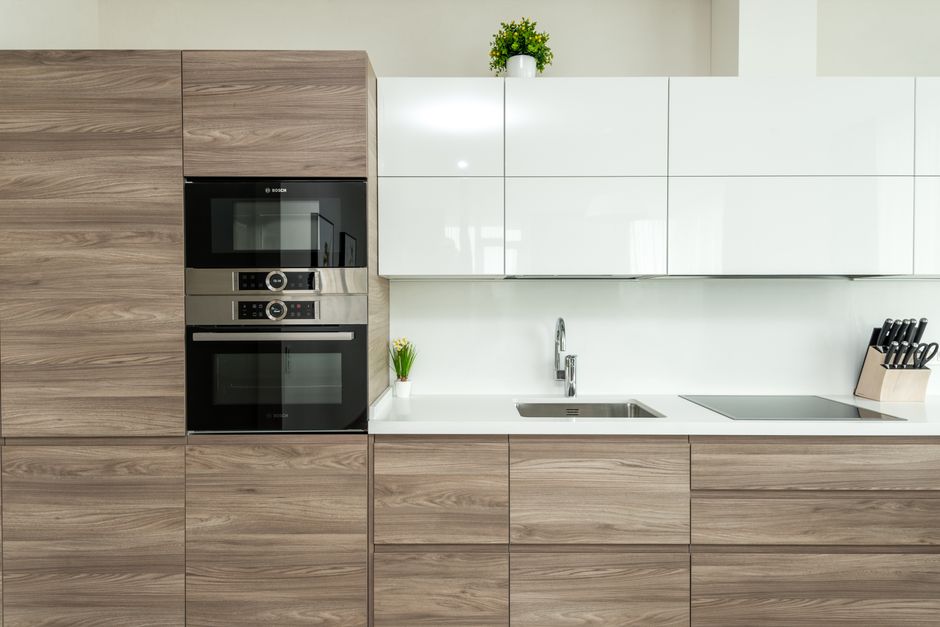
If you live in a period home in Wimbledon Village, oven cleaning is not quite the same job as it is in a newer flat. Older kitchens often come with original timber, ageing seals, decorative tiles, cast iron details, and the occasional awkward layout that makes a simple clean feel a bit more delicate. This Wimbledon Village oven cleaning guide for period properties is here to help you protect those features while still getting a properly hygienic, good-looking oven.
Truth be told, a period property can be charming and mildly inconvenient at the same time. One minute you are admiring a sash window or quarry tile floor, the next you are wondering how to clean baked-on grease without damaging an enamel door, darkening a brass handle, or flooding a narrow alcove with fumes. The good news? With the right approach, you can clean thoroughly, avoid expensive mistakes, and keep the kitchen feeling fresh rather than overworked.
This guide covers how oven cleaning works in older Wimbledon Village homes, what to watch out for, which methods suit different oven types, and when it makes more sense to bring in a professional. You will also find a checklist, a comparison table, and practical FAQs for the kind of questions people really ask when the oven is smoking slightly more than it should.
- Why it matters in period properties
- How the cleaning process works
- Benefits and practical advantages
- Who this is for
- Step-by-step guidance
- Expert tips for better results
- Common mistakes to avoid
- Tools, resources and recommendations
- Law, compliance, standards and best practice
- Methods comparison
- Real-world example
- Practical checklist
- Conclusion
- Frequently asked questions
Why Wimbledon Village oven cleaning guide for period properties Matters
Period properties ask a little more from every cleaning job. That is especially true in Wimbledon Village, where many homes have been adapted over time and may combine older building fabric with modern appliances. An oven is hot, greasy, enclosed, and often tucked into a fitted unit. In a newer kitchen, you can sometimes be a little more casual. In a period kitchen, casual can get expensive quite quickly.
The main reason this matters is simple: older finishes are less forgiving. Painted wood can stain. Unsealed stone can mark. Veneers can lift if liquid sits too long. Original brass or nickel fittings can tarnish if the wrong product is used. Even the air movement in an older kitchen can be odd, with draughts, smaller windows, and less mechanical ventilation than a modern open-plan space.
And then there is the oven itself. Built-up grease, burnt-on carbon, and spilt sugars do more than look messy. They can create smoke, lingering smells, uneven heating, and in some cases a small but very annoying drop in cooking performance. If you have ever opened the door to a whiff of last Sunday's roast mixed with a slightly burnt pastry note, you will know exactly what I mean.
A careful approach also supports the wider upkeep of the home. Many residents in period houses already think in terms of preservation: use the gentlest effective method, protect original materials, and avoid unnecessary wear. Oven cleaning fits that mindset perfectly. Done well, it is maintenance, not brute force.
How Wimbledon Village oven cleaning guide for period properties Works
Oven cleaning in a period property works best when you treat it as two jobs at once: appliance cleaning and heritage-aware housekeeping. You are not only removing grease from the appliance. You are also protecting the surrounding finishes, flooring, cabinetry, and ventilation points that may be older or more delicate than the oven itself.
In practical terms, the process usually follows a few stages:
1. Assessment. Check the oven type, the condition of seals, the state of the interior enamel, and what surrounds the unit. A freestanding range, a built-in electric oven, and a small integrated single oven all need slightly different handling.
2. Isolation and preparation. Switch the appliance off, cool it fully, and clear the surrounding space. In older kitchens, this is when you notice a bit of drift from the extractor, a crumb trap behind a kickboard, or a shelf that is older than the house you wish it was.
3. Product selection. Use a cleaner that suits the surface. Strong alkaline products can be effective on baked-on grease, but they need care around seals, aluminium parts, decorative glass, and adjacent finishes. A milder degreaser may take longer but can be a better choice for fragile detailing.
4. Controlled application. Apply cleaning solution carefully. The aim is to lift residue, not soak the kitchen. Period property kitchens often have more corners, mouldings, and joins where moisture lingers.
5. Dwell time and removal. Let the product work, then remove softened debris with non-scratch tools and damp cloths. This is where patience matters. Rushing tends to spread grime rather than remove it.
6. Final wipe-down and inspection. Check the door seals, glass, control knobs, vents, and surrounding surfaces. Make sure everything is dry before switching the oven back on.
That is the broad structure. The real skill lies in judging where to be thorough and where to be gentle. Not every sticky patch needs aggression. Some do. Most do not.
Key Benefits and Practical Advantages
The benefits of proper oven cleaning in Wimbledon Village period homes are not just aesthetic, although a bright, grease-free oven does look reassuring. There are practical advantages too, and they add up fast.
- Better cooking performance: A cleaner oven is less likely to smoke or produce lingering odours, and heat can circulate more evenly.
- Reduced risk of damage: When grime is left to harden, people often scrub harder later. That is where enamel scratches and seal damage start.
- Cleaner surrounding finishes: Grease mist can settle on nearby cupboards, tiles, and extractor surfaces, especially in smaller kitchens.
- Less stress before guests or seasonal use: If you cook a lot during weekends or holidays, a clean oven makes life easier. Simple as that.
- Longer appliance life: Regular maintenance can help prevent residue from building up on fans, shelves, and heating areas.
There is also the emotional side, which people do not always mention. In a period property, the kitchen often carries a lot of character, but it can also be the room that feels least polished if appliances are grubby. A clean oven quietly lifts the whole room. You notice it when the door is shut, when the glass is clear, when the smells are neutral again. Small things, yes. Still worth it.
Expert summary: the best oven cleaning approach in older Wimbledon Village homes is the one that protects the kitchen first and deep-cleans the appliance second. That balance is what keeps a period property looking cared for rather than over-scrubbed.
Who This Is For and When It Makes Sense
This guide is for homeowners, landlords, tenants, and anyone managing a period property in Wimbledon Village who wants a cleaner oven without damaging the character of the kitchen. It is especially useful if your property has original features, fitted units that have seen a few decades of use, or decorative finishes that make you pause before reaching for a heavy-duty cleaner.
You will likely find it useful if:
- your oven is built into older cabinetry and access is a bit awkward;
- you have timber, painted, or veneer finishes close to the appliance;
- the oven smells when heating up, even after a light wipe;
- grease has built up around hinges, glass, trays, or fan covers;
- you are preparing a home for sale, tenancy handover, or guests;
- you prefer careful maintenance over aggressive cleaning products;
- you are already booking a wider service such as deep cleaning or domestic cleaning and want the oven included properly.
When does it make sense to bring in help rather than doing it yourself? Usually when the oven is heavily soiled, the kitchen layout is awkward, or the surrounding finishes are too precious to gamble on. A lot of people only discover the problem once they start. The cloth turns brown, the cleaner starts dripping, and suddenly the job has become a mini project. Not ideal, but very common.
Step-by-Step Guidance
If you are cleaning the oven yourself, a careful process makes all the difference. Period properties reward methodical work. Rushing them, not so much.
1. Clear the area and protect nearby surfaces
Remove trays, racks, thermometers, and loose accessories. Lay down a towel or absorbent cloth on nearby flooring if there is any chance of drips. In older Wimbledon Village kitchens, it is worth checking whether the floor is wood, stone, or tile before you start, because each one reacts differently to water and detergent.
2. Let the oven cool fully
This sounds obvious, but people still get impatient. If the oven is even slightly warm, cleaning product can dry too quickly or react unpredictably. A cool oven is simply easier to handle and safer around seals and glass.
3. Remove loose debris first
Use a soft brush, dry cloth, or plastic scraper for crumbs and loose burnt bits. This avoids turning dry residue into a muddy paste once you apply moisture. You do not need to scrub yet. Just clear the loose stuff.
4. Treat removable parts separately
Racks, trays, and shelves often collect the worst of the build-up. Soaking them can help, but be cautious with finishes. Some older accessories, particularly if lightly coated or aged, may not like long immersion in harsh solution. Check each piece before soaking.
5. Apply cleaner sparingly
Use a product suitable for ovens and compatible with the surface. Apply in sections rather than across the whole cavity at once. That gives you more control, which is especially useful in smaller kitchens where fumes can hang around.
6. Allow dwell time
The cleaner needs time to loosen baked-on residue. This is the part people rush, and it is usually why the second pass becomes necessary. Give the product time, then test a small area before wiping more widely.
7. Wipe and lift, don't scour
Use a non-abrasive sponge or cloth. For stubborn patches, repeat the dwell-and-wipe approach rather than pressing harder. Scrubbing aggressively is where period-property mistakes start creeping in.
8. Clean the door and glass carefully
The oven door is often the most visible part. Use gentle pressure around the edges and avoid forcing moisture into seals or control areas. If there is double glazing, clean only the accessible parts unless the manufacturer guidance clearly allows removal.
9. Dry thoroughly
This is one of those steps people sometimes half-do. Dry the cavity, racks, and exterior contact points carefully. In an older home, lingering moisture can mark finishes or cause a stale smell the next time the oven heats up.
10. Reassemble and test
Put everything back, then run the oven briefly if appropriate and safe. Look and smell for any residue. A clean oven should heat without the old burnt smell returning. If it does, there may still be hidden build-up.
Quick tip: if your kitchen is especially compact, open windows early and use a fan if you have one. A little airflow goes a long way. Sometimes it is the small, boring step that saves the whole afternoon.
Expert Tips for Better Results
These are the small, practical choices that make a noticeable difference, especially in period homes.
- Test products on hidden areas first: Even a good cleaner can affect aged finishes, so test cautiously before applying widely.
- Use microfiber for final buffing: It picks up fine residue without scratching glass or enamel.
- Work top to bottom: Gravity is not your friend during cleaning. Start high and finish low to avoid re-soiling surfaces.
- Ventilate before and after: Older kitchens often need a bit more help clearing fumes and moisture.
- Be wary of mixed materials: Modern ovens in old kitchens can have stainless steel, enamel, glass, and plastic all in one unit. Each surface has its own tolerance.
- Clean little and often: A light maintenance clean every few weeks is much kinder than an annual battle with carbonised grease.
One thing we see often is that people focus on the cavity and forget the edges: control knobs, seals, hinge recesses, and the lip around the door. That is where grime likes to hide. Funny little places, really. But they matter.
If you are already planning other home maintenance, it can be efficient to combine tasks. A broader service such as one-off cleaning may make sense after renovation, before entertaining, or during a seasonal reset when the whole house needs a refresh.
Common Mistakes to Avoid
Most problems come from trying to speed up the job. That is the honest truth.
- Using harsh abrasives: Steel wool, scouring pads, and gritty powders can damage enamel and glass.
- Soaking where you should wipe: Excess liquid can creep into seals, switches, and cabinetry.
- Ignoring the surrounding kitchen: Grease splashes and cleaner residue on nearby wood or stone can be just as troublesome as the oven itself.
- Skipping the manufacturer guidance: Different ovens have different tolerances. Always respect the appliance instructions where available.
- Cleaning on a tight deadline: Rushing before guests arrive is when people make avoidable mistakes. Ask me how I know. Better yet, don't.
- Using one product for everything: Not every surface wants the same treatment, especially in a period property with mixed finishes.
Another common issue is overconfidence with hidden grime. A cooker may look fine at first glance, then you open the fan cover or lift a shelf and find a completely different story. That is normal. Just means you need a proper process rather than a quick wipe.
Tools, Resources and Recommendations
You do not need a huge toolkit, but the right basics make the work easier and safer. For period properties, the emphasis should always be on gentle control rather than brute force.
| Tool or item | Why it helps | Best use in period properties |
|---|---|---|
| Microfibre cloths | Lift residue without scratching | Glass doors, enamel, and final drying |
| Non-scratch sponge | Gentle but effective on grease | Interior surfaces and frames |
| Soft brush | Removes loose crumbs and debris | Edges, vents, and shelf grooves |
| Plastic scraper | Lifts stubborn deposits carefully | Baked-on spots on enamel or glass |
| Protective cloth or towel | Helps shield nearby flooring and units | Timber or stone floors near the oven |
| Suitable oven cleaner | Breaks down grease effectively | Chosen based on oven surface and surrounding finishes |
It can also help to keep a simple maintenance kit in the kitchen rather than hunting for products every time. That way, you are more likely to do a small clean before grime becomes stubborn. If you already use professional oven cleaning as part of a home-care routine, this kit still helps between visits.
Where a wider home refresh is due, services such as house cleaning or cleaning company support can be useful, especially if the kitchen is only one part of a larger upkeep plan.
Law, Compliance, Standards, or Best Practice
Oven cleaning itself is not usually a regulated activity in the way electrical work or gas servicing is, but that does not mean safety and best practice are optional. In a period property, being careful is part of responsible maintenance.
For homes with gas ovens or cookers, only use the oven for cleaning once you are sure it is safe to do so and follow the manufacturer guidance. If there are signs of damage, unusual smells beyond cleaning residue, faulty ignition, or ventilation concerns, it is sensible to stop and have the appliance checked by a qualified professional. Cleaning should never be used to disguise a mechanical issue.
Health and safety also matter around strong cleaning products. Keep rooms ventilated, store chemicals securely, and avoid mixing products. That last point is basic, but it is the sort of thing people forget when they are trying to get a stubborn mark off in a hurry. Not worth the risk.
If you hire a cleaner or cleaning firm, it is reasonable to ask about insurance, safety practices, and how they protect older finishes. Reputable providers should be able to explain what they do if a surface is delicate, what products they use, and how they manage risk around fragile fixtures. You can review company policies such as insurance and safety, health and safety policy, and terms and conditions if you want to understand the standards behind the service.
For environmentally minded households, disposal and product choice matter too. Grease waste, used cloths, and packaging should be handled sensibly, and sustainable product choices can help reduce waste over time. If that side matters to you, it is worth looking at recycling and sustainability as part of your broader home-care approach.
Options, Methods, or Comparison Table
There is more than one way to clean an oven, and the best choice depends on the age of the kitchen, how dirty the oven is, and how much risk you are willing to tolerate. In a period property, that balance matters more than people think.
| Method | Best for | Pros | Watch-outs |
|---|---|---|---|
| Light manual clean | Routine maintenance | Gentle, low-cost, good for older finishes | May not shift heavy carbon build-up |
| Degreasing cleaner and wipe-down | Moderate grease and everyday use | Effective and fairly controlled | Needs careful product selection near delicate surfaces |
| Professional deep oven clean | Heavy soil, awkward layouts, premium kitchens | Thorough, efficient, less stress for the homeowner | Costs more than DIY, though often saves time and hassle |
| Self-cleaning oven cycle | Compatible appliances only | Convenient in theory | Heat and smoke can be intense; not ideal if nearby finishes are vulnerable |
For many Wimbledon Village period homes, a professional option is the easiest way to avoid accidental damage, particularly where cabinetry, finishes, or access are awkward. That is not to say DIY is wrong. It is just more suitable when the oven is lightly soiled and the surrounding room is forgiving.
Case Study or Real-World Example
Here is a realistic example from the kind of situation people run into all the time.
A homeowner in a Wimbledon Village terrace had a built-in oven beneath a worktop set into older cabinetry. The oven itself was standard enough, but the surrounding kitchen had painted timber units, an original tiled floor, and a narrow walkway that made splashes easy to miss. They had a family Sunday roast coming up, plus a visit from relatives the following week. The oven was clean enough at a glance, but when the door was opened, there was a thick ring of grease around the inner glass and a faint burnt smell when preheating.
They started with a gentle manual clean, removed the racks, and protected the floor. The first pass loosened surface residue, but the stubborn build-up around the hinge line and shelf supports needed a second, careful treatment. The key decision was not to rush. They resisted using a harsher scrub pad because the enamel and the nearby painted trim looked a bit too easy to mark. Sensible, really.
The result was not just a better-looking oven. The cooking smell improved, the kitchen felt fresher, and they avoided the risk of splashing cleaner onto the cabinetry. That is the practical heart of it. In a period property, success often looks boring from the outside. No damage, no smell, no drama. Lovely.
Practical Checklist
Use this simple checklist before and during oven cleaning in a period property:
- Confirm the oven type and whether any special manufacturer guidance applies.
- Check nearby surfaces for delicate paint, timber, stone, or older finishes.
- Switch off the appliance and let it cool completely.
- Remove racks, trays, and loose accessories.
- Clear crumbs and loose debris first.
- Protect flooring and adjacent units from drips.
- Choose a cleaner that suits the surface and the level of grime.
- Apply products carefully, not generously.
- Allow proper dwell time before wiping.
- Use non-abrasive tools only.
- Dry all surfaces thoroughly before reassembly.
- Check for lingering residue or odour after a short test heat, if appropriate.
If you tick all of that off, you are already ahead of most rushed weekend cleans. And yes, it is a bit more faff than wiping the door with whatever is nearest. But the difference shows.
Get a free quote today and see how much you can save.
Conclusion
Cleaning an oven in a Wimbledon Village period property is really about balance. You want a proper deep clean, but you also want to respect the age, materials, and quirks of the home around it. That means choosing the right method, working patiently, and being more careful than you might be in a standard modern kitchen.
If you remember nothing else, remember this: protect the surrounding finishes first, then clean the oven thoroughly but gently. That approach gives you better results, fewer regrets, and a kitchen that feels looked after rather than overdone.
Whether you are tackling a light maintenance clean or deciding if professional help is the smarter route, a thoughtful process will always pay off. Homes with character deserve that extra bit of care. Honestly, they usually reward it.
When the oven is clean and the kitchen is calm again, the whole house seems to breathe a little easier.
Frequently Asked Questions
How often should I clean an oven in a period property?
For regular home use, a light clean every few weeks and a deeper clean when grime starts building up is usually sensible. In a period property, smaller routine cleans are better than leaving the job until residue becomes stubborn.
Are strong oven cleaners safe for older kitchens?
They can be safe if used carefully, but older kitchens often have finishes that do not tolerate overspray, drips, or prolonged contact. Always test first and keep the product away from timber, paintwork, and any delicate nearby surfaces.
Can I use a self-cleaning oven cycle in a period home?
Only if the appliance is designed for it and the surrounding kitchen can handle the heat and fumes. In older properties, that extra heat is not always the best idea, especially if cabinetry or ventilation is limited.
What is the safest way to clean oven glass?
Use a non-abrasive cloth or sponge and a suitable cleaner, then wipe gently rather than scrubbing hard. Avoid gritty pads, because they can scratch the glass and make it harder to keep clear next time.
Should I remove the oven door to clean it?
Only if the manufacturer guidance allows it and you are confident doing so safely. Some doors are straightforward, others are not. If in doubt, leave it in place and clean the accessible areas carefully.
What should I do if the oven still smells after cleaning?
That usually means residue remains somewhere, often in a hidden edge, tray rail, or fan area. Check the less obvious spots and re-clean gently. If the smell is chemical or electrical rather than greasy, stop using the appliance and investigate further.
Is professional oven cleaning worth it for a period property?
Often, yes. If the oven is very dirty, the kitchen is cramped, or you have valuable finishes nearby, professional cleaning can reduce the risk of accidental damage and save a lot of time.
How do I protect old tiles or wood flooring during oven cleaning?
Use a towel or protective cloth to catch drips and avoid over-wetting the area. Keep buckets and spray bottles controlled, because splashes can mark older floors much more easily than people expect.
What is the biggest mistake people make when cleaning ovens in older homes?
Using too much product or scrubbing too hard. Most damage comes from trying to hurry the job. A careful second pass is better than one aggressive one.
Can oven cleaning be combined with other services?
Yes, and that can make practical sense if you are refreshing the whole home. Many people pair it with broader services like cleaners, cleaner support, or one-off cleaning when preparing for guests, moving, or seasonal upkeep.
How do I know if my oven needs more than a basic clean?
If smoke, smell, heavy carbon build-up, or sticky residue keeps returning after routine cleaning, it probably needs a deeper clean. If the issue seems mechanical rather than cosmetic, it is best to pause and have the appliance checked.
Where can I find more information about pricing or booking?
You can review the service details and request information through the site's pricing and quotes page or use the contact us page if you want to ask about your specific kitchen layout or property type.