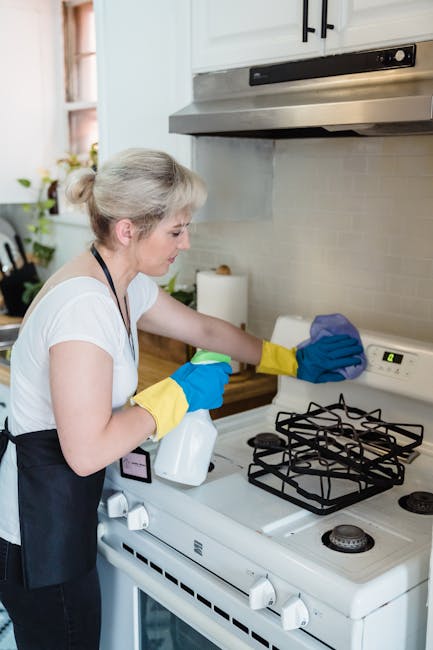
Wimbledon Common oven cleaning tips for busy households
If your oven only gets attention when something starts smoking or the glass door turns opaque, you are not alone. Busy homes around Wimbledon Common tend to run on tight schedules: school runs, work calls, late dinners, and the occasional "we'll deal with it at the weekend" that somehow turns into three weeks. This guide on Wimbledon Common oven cleaning tips for busy households gives you a practical way to stay ahead of grease, burnt-on spills, and stubborn odours without turning oven care into a whole Saturday project.
Truth be told, the best oven-cleaning routine is not the most intense one. It is the one you can actually keep up with. Below you'll find a simple system, realistic time-saving habits, safe cleaning methods, and the point where it makes more sense to call in help from a specialist rather than fight with baked-on mess yourself. If you are also thinking about broader household cleaning support, you may find our domestic cleaning and deep cleaning services useful to compare alongside oven care.
Table of Contents
- Why Wimbledon Common oven cleaning tips for busy households Matters
- How Wimbledon Common oven cleaning tips for busy households Works
- Key Benefits and Practical Advantages
- Who This Is For and When It Makes Sense
- Step-by-Step Guidance
- Expert Tips for Better Results
- Common Mistakes to Avoid
- Tools, Resources and Recommendations
- Law, Compliance, Standards, or Best Practice
- Options, Methods, or Comparison Table
- Case Study or Real-World Example
- Practical Checklist
- Conclusion
- Frequently Asked Questions
Why Wimbledon Common oven cleaning tips for busy households Matters
An oven is one of those appliances that quietly takes a beating. Roast dinners drip, pies bubble over, trays splatter, and crumbs settle in corners you barely notice until the smell changes when you preheat. In a busy household, that build-up happens faster than most people expect because the oven is used for quick weekday meals as much as weekend cooking.
Why does this matter so much? Because a dirty oven is not just a cosmetic issue. Grease can create smoke, burnt residue can affect flavour, and a neglected door seal or fan area can make the appliance feel less efficient. You may also end up spending more time scrubbing later, which is exactly what busy households are trying to avoid. A little routine care goes a long way.
In Wimbledon Common, where many homes balance family life, work-from-home routines, and fairly full calendars, oven cleaning often gets pushed down the list. That is understandable. But the practical truth is simple: if you handle the small jobs regularly, the deep job becomes smaller. Much smaller.
Expert summary: the fastest way to keep an oven manageable is not aggressive monthly scrubbing; it is a light, consistent routine plus a proper deep clean when the grease starts to win.
How Wimbledon Common oven cleaning tips for busy households Works
The most effective oven-cleaning approach for a packed household works in layers. You do not need to attack every surface every time. Instead, think in terms of prevention, light upkeep, and occasional reset cleaning.
Here's the basic idea:
- After cooking: deal with drips and crumbs while the oven is warm, not hot.
- Weekly: wipe the door glass, check the handles, and remove loose debris from the cavity.
- Monthly or as needed: clean racks, trays, and visible grime more thoroughly.
- Periodically: carry out a proper deep clean or book a professional oven cleaner if the buildup has become stubborn.
This works because most oven mess hardens over time. Fresh spillages are usually easier to remove than old carbonised residue. To be fair, that is the whole game. Catch it early and you save time, product, and energy.
Professional cleaning follows the same logic, just with stronger equipment, more efficient methods, and a more complete finish. If the oven has been neglected for months, a trained oven cleaner can usually restore it faster than a busy household can on its own, especially when the door glass, fan cover, side walls, and racks all need attention.
Key Benefits and Practical Advantages
Good oven-cleaning habits pay off in very ordinary, very useful ways. Nothing dramatic. Just fewer headaches.
- Less smoke and smell: built-up grease is a common cause of that burnt odour when the oven heats up.
- Better cooking results: food tends to bake more evenly when the appliance is clean.
- Less time spent scrubbing later: small wipe-downs are far easier than one huge rescue job.
- A more hygienic kitchen: old food residue is never pleasant, especially near a food-prep area.
- Longer appliance life in practice: not a guarantee, but a cleaner oven is generally easier to use and maintain.
- Better presentation: useful if you are hosting, moving out, or simply tired of looking at splashes on the glass.
There is also the mental benefit. A clean oven makes the whole kitchen feel less chaotic. That sounds a bit small, perhaps, but if you have ever opened the door to a tidy oven and thought, "Ah, that's better," you know exactly what I mean.
For households wanting a broader reset, oven care often pairs well with one-off cleaning or other home support. It is especially useful after a busy period like school holidays, a house move, or a round of entertaining.
Who This Is For and When It Makes Sense
This kind of routine is ideal for households where cooking happens often but time is limited. That includes families, shared homes, shift workers, professionals with long commutes, and anyone who does not want oven maintenance turning into an all-day chore.
It also makes sense if:
- you cook greasy food or roast dinners several times a week;
- the oven smells burnt even when it is empty;
- the door glass has become cloudy or brown with residue;
- you have let the oven slide for a while and need a reset;
- you are preparing for guests, a tenancy check, or a kitchen refresh;
- you prefer not to use heavy-duty chemicals at home;
- you simply do not have the patience for scraping carbon off hot enamel. Fair enough, really.
If your kitchen is part of a larger cleaning plan, services such as house cleaning or home cleaners may help you spread the workload without trying to do everything in one go. That can be a sensible choice for households with young children, elderly relatives, or very little spare time.
Step-by-Step Guidance
Below is a straightforward method that works well for busy households. It is designed to be practical, not perfect. The goal is a clean, usable oven, not a magazine-style reflection in the glass.
1. Let the oven cool to warm, not hot
Start when the oven is safe to touch. Warm residue is easier to remove, but you do not want to rush in while everything is still dangerously hot. A slightly warm cavity can help soften grease without causing discomfort.
2. Remove loose debris first
Take out crumbs, bits of food, and anything sitting on the base or shelf supports. A dry cloth or soft brush helps here. If you skip this step, you will just drag debris around and make the next stage more annoying.
3. Take out the racks and trays
Racks are often the most neglected part. Soak them separately in warm water with a suitable cleaning solution if needed. This frees you up to clean the cavity properly instead of working around awkward metal rails.
4. Apply a safe cleaner to the main surfaces
Use a product that suits your oven's finish and follow the instructions carefully. Avoid flooding the cavity. A little goes a long way. In many homes, the job goes wrong because people assume more product equals better results. Usually, it does not.
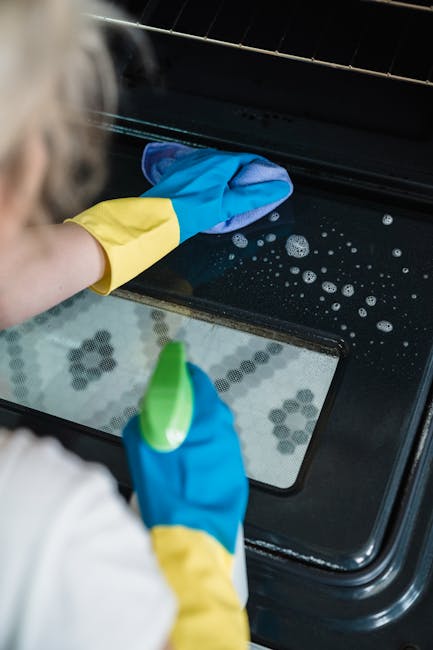
5. Focus on the door glass and handle
These are the parts people see first. A microfibre cloth often works well for the glass, especially if you wipe in stages. Handles pick up grease from hands and cooking vapour, so give them a proper clean too.
6. Leave time for dwell, then wipe
Let the product sit for the recommended time so it can break down residue. Then wipe thoroughly with clean cloths. Change cloths as they become dirty. If you keep using one grimy cloth, you will just spread the mess around. It happens more than people admit.
7. Check the corners, seals, and fan area
This is where grime hides. Use cotton buds or a small detailing brush if needed, but do not force anything into sensitive parts. Be gentle around seals and vents. If the grime is built up deep in the fan area, that may be the point where a professional clean makes more sense.
8. Rinse, dry, and reassemble
Once the surfaces are clean, remove any remaining residue with a damp cloth, then dry everything properly. Put the racks and trays back only when they are fully dry. A slightly rushed finish can leave streaks or a musty smell later, which is annoying in a very specific way.
9. Reset the habit
The best part is not the clean itself. It is keeping it that way. A quick weekly wipe and a monthly check will prevent the oven from sliding back into that "we should really deal with it" stage.
Expert Tips for Better Results
A few small adjustments can make oven cleaning easier and less unpleasant. Small, yes. But they add up.
- Line trays sensibly: use oven-safe liners or baking sheets where appropriate so spills do not land straight on the base.
- Clean after big cooks: if you have done a roast or baked something likely to bubble over, wipe the spill the same day.
- Use two cloths: one for lifting grime, one for finishing. It makes the result noticeably better.
- Choose the right moment: a ten-minute tidy after dinner is easier than a tired, late-night battle with burnt sugar.
- Keep a small kit together: if the products are all in one place, you are more likely to use them.
- Check the manual if you still have it: some ovens have specific cleaning advice for enamel, pyrolytic, catalytic, or self-cleaning features.
One tip that often gets overlooked: clean the outside edges of the oven door and the surrounding cabinet area at the same time. It makes the whole kitchen feel more finished. Not essential, but satisfying. Very satisfying, actually.
If your household already uses regular help for general upkeep, pairing oven maintenance with cleaners or a trusted cleaning company can make the routine easier to sustain. The point is to reduce friction, not create a new chore list.
Common Mistakes to Avoid
Oven cleaning sounds simple, but there are a few traps that trip people up again and again.
- Using too much liquid: excess moisture can seep into seals or leave streaks behind.
- Scraping aggressively: metal scourers and sharp tools can damage surfaces or glass.
- Mixing products: never combine cleaning chemicals unless the instructions explicitly say it is safe.
- Cleaning in a rush: wiping before the product has had time to work usually means repeat effort.
- Ignoring racks and trays: the cavity may look cleaner, but the job is only half done.
- Forgetting ventilation: even milder products can smell strong in a closed kitchen.
- Putting the oven back into use too soon: residue and cleaning vapours should be fully removed before cooking again.
A common one, and slightly embarrassing when it happens, is cleaning the glass beautifully but leaving the control knobs sticky. You notice it every time you cook. Every time.
Tools, Resources and Recommendations
You do not need a cupboard full of specialist gear. In most homes, a compact kit is enough.
| Item | What it helps with | Why it matters |
|---|---|---|
| Microfibre cloths | Door glass, handles, finishing wipe | Lifts grease well without scratching |
| Soft sponge | General wipe-down | Good for everyday maintenance |
| Small brush | Edges, corners, vents | Useful for awkward residue |
| Suitable oven cleaner | Grease and baked-on grime | Should match the oven's surface type |
| Warm water and mild detergent | Light cleaning and rinsing | Often enough for weekly upkeep |
| Gloves | Hand protection | Helpful if you are using stronger products |
For households with very limited time, the most practical recommendation is this: keep a small cleaning caddy near the kitchen. If the kit lives under the sink and the oven lives across the room, you are less likely to bother. Human nature, really.
If the oven is part of a larger end-of-home refresh, especially before a move or inspection, it can be sensible to coordinate with end of tenancy cleaning or a broader one-off cleaning visit. That way the kitchen gets handled alongside floors, surfaces, and the rest of the house rather than as a separate project.
Law, Compliance, Standards, or Best Practice
For most households, oven cleaning is mainly a domestic best-practice issue rather than a regulated task. Still, there are sensible standards to follow. Use cleaning products exactly as instructed, keep them away from children and pets, and make sure the kitchen is ventilated while you work. That is basic but important.
If you are booking a professional service, good practice is to check that the provider follows clear health and safety procedures, carries appropriate insurance, and explains what is and is not included before work starts. On this site, those topics are addressed in the health and safety policy and insurance and safety information, which are worth reading if you want added peace of mind.
It is also reasonable to expect careful treatment of your home, clear pricing, and transparent terms. If you want to understand how that side of the service works, take a look at the pricing and quotes page and the terms and conditions. Not glamorous reading, perhaps, but useful. And in the real world, useful beats glamorous most days.
For businesses or landlords, standards may also extend to occupant safety, tenancy expectations, or building handover requirements. In those cases, keeping a documented cleaning routine can help, especially when an oven is part of a wider property management schedule.
Options, Methods, or Comparison Table
Busy households usually choose between three main routes: light DIY upkeep, a deeper DIY clean, or a professional oven clean. Each has its place.
| Method | Best for | Time needed | Pros | Trade-offs |
|---|---|---|---|---|
| Quick wipe-downs | Weekly maintenance | 5 to 15 minutes | Fast, cheap, prevents build-up | Won't handle heavy grime |
| Full DIY deep clean | Moderate residue and regular upkeep | 1 to 3 hours | Lower cost, flexible timing | Can be messy and tiring |
| Professional oven cleaning | Heavy build-up, limited time, stubborn residue | Usually less disruption for the household | More thorough, less effort for you | Costs more than DIY |
If you are deciding between them, ask yourself a simple question: do you want to maintain the oven, rescue the oven, or hand the oven off? That answer usually points to the right option.
For some homes, a professional clean is not a luxury. It is the sane choice. Especially if you have a packed diary and a kitchen that has quietly got out of control while life was happening everywhere else.
Case Study or Real-World Example
A typical Wimbledon Common household scenario goes something like this: two adults working full time, one child in activities most evenings, and a kitchen that is used for quick dinners during the week and more involved cooking at weekends. The oven starts out fine, then a few spills go uncleaned, then the glass slowly clouds over, and before long the first sign of a problem is a smell when the oven preheats.
In that kind of home, a simple reset works well. Start with a warm wipe after cooking, then a proper rack soak and cavity clean at the weekend. After that, a ten-minute maintenance routine once a week keeps the mess from building back up. The result is not perfection. It is control. Big difference.
When the household misses a few weeks, the oven can slip into "too far gone for a quick wipe" territory. At that point, many people choose to book professional help rather than spend an evening battling burnt residue. That is not failure. It is just a sensible use of time.
If the same household is also dealing with floors, rugs, or sofa marks after a busy season of family life, it may be worth looking at carpet cleaning, sofa cleaning, or even window cleaning as part of a wider reset. Sometimes the best result comes from tackling the whole room rhythm, not one item at a time.
Practical Checklist
Use this checklist whenever the oven needs attention. It keeps the job short and focused.
- Let the oven cool to a safe, slightly warm temperature.
- Remove loose crumbs and obvious debris first.
- Take out trays and racks for separate cleaning.
- Use a suitable cleaner for the oven's surface type.
- Clean the door glass and handle carefully.
- Pay attention to corners, seals, and vent areas.
- Wipe away residue with clean cloths.
- Dry all surfaces before reassembly.
- Ventilate the kitchen well during and after cleaning.
- Set a reminder for the next light clean.
Quick reminder: if the job feels too big to finish properly, stop and reset. Half-done cleaning often creates more frustration than it solves.
And if the oven is only one part of a much bigger household clean-up, especially after building work or a major home project, the broader support offered through after builders cleaning may be worth considering. Dust and cooking grime together can be a grim combination, honestly.
Conclusion
For busy households, the smartest oven-cleaning strategy is steady rather than dramatic. A few minutes of attention each week, a proper clean when needed, and a clear sense of when to ask for help will keep the kitchen in far better shape than occasional heroic scrubbing ever will.
The real win here is not just a shiny oven. It is less stress, less smoke, fewer weekend chores, and a kitchen that feels easier to live with. That matters when your home is already full of moving parts.
If you want a cleaner oven without losing another evening to grease and scraping, the next sensible step is to compare your options and choose the level of help that fits your household. Small routine today, easier life tomorrow. Simple as that.
Get a free quote today and see how much you can save.
If you are exploring the service side as well, you can also review oven cleaning, learn more about us, or head straight to contact us when you are ready. Either way, your kitchen can feel manageable again, and that is a good place to be.
Frequently Asked Questions
How often should a busy household clean the oven?
For most busy homes, a light wipe after messy cooking and a more thorough clean every few weeks is enough to stop build-up from taking over. If you roast often or cook with a lot of fat, you may need to clean sooner.
What is the fastest way to clean an oven when I do not have much time?
Focus on the visible problem areas first: the door glass, handle, and loose debris inside the cavity. Even a ten-minute tidy can make the oven feel much better until you have time for a deeper clean.
Can I clean my oven while it is still warm?
Yes, but only when it is warm and safe to touch, not hot. A slightly warm oven can help loosen residue. Never rush into cleaning when the surfaces are still uncomfortable or unsafe.
Are strong oven cleaners always the best choice?
Not necessarily. Strong products can help with heavy grime, but they are not always needed for routine maintenance. The best cleaner is the one that suits the soil level and the oven's surface without causing damage.
How do I stop my oven from smelling burnt?
Clean spills as soon as possible, remove old food residue regularly, and avoid letting grease sit on the base or trays. Burnt smells usually come from residue heating up again.
Is it safe to clean oven racks in the sink?
Usually yes, provided the racks fit safely and you are not damaging the sink or finish. Soaking them separately often makes the whole job easier. Just make sure they are fully dry before putting them back.
When should I hire a professional oven cleaner?
It makes sense when the oven is heavily soiled, you do not have time to clean it properly, or you want a more thorough result without the hassle. It is also a good option before a move, guests, or a tenancy check.
Will professional oven cleaning damage my appliance?
A reputable service should use methods and products appropriate for the appliance. It is sensible to ask about experience, insurance, and safety procedures before booking so you know what to expect.
Can I use the self-cleaning setting instead of manual cleaning?
If your oven has a self-cleaning mode, it may help with some residue, but it is not a cure-all. You still need to remove loose debris and follow the manufacturer's instructions carefully. Some households prefer manual cleaning because it gives them more control.
What should I avoid when cleaning a glass oven door?
Avoid abrasive pads, sharp scrapers, and harsh techniques that can scratch the glass or damage seals. Use gentle cloths and products designed for the surface, then wipe clean and dry it properly.
How can I keep oven cleaning manageable in a family home?
Do a little often. Wipe obvious spills after cooking, keep a simple kit nearby, and do not wait until the oven has become a major project. That one habit changes everything.
Does oven cleaning fit into broader home cleaning plans?
Absolutely. Many households combine it with deep cleaning, domestic cleaning, or other home maintenance so the kitchen and surrounding areas stay under control together.